As women are sent to prison more than ever before...
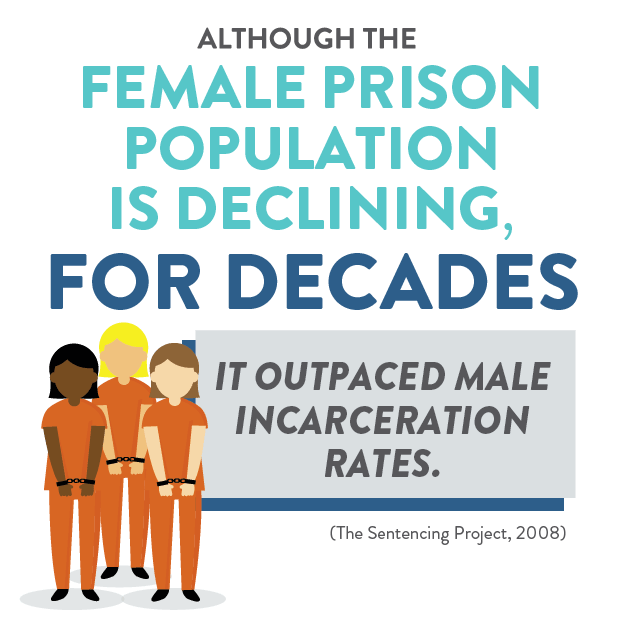
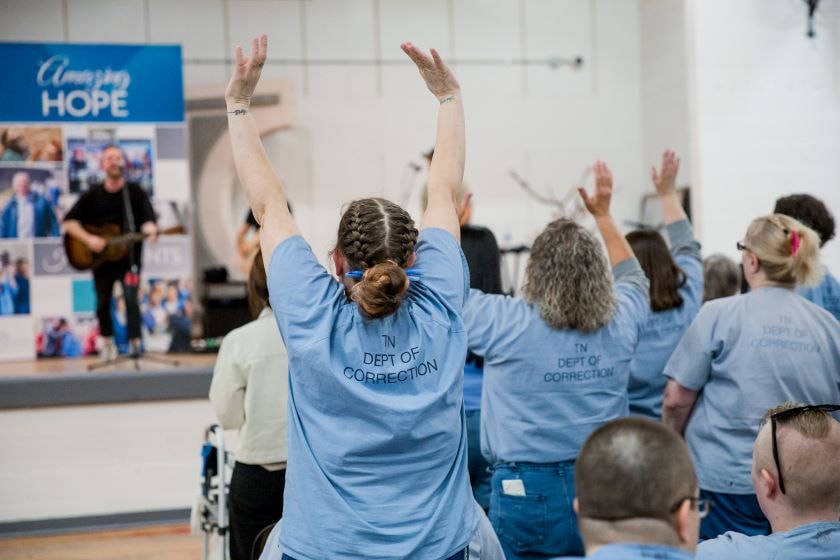
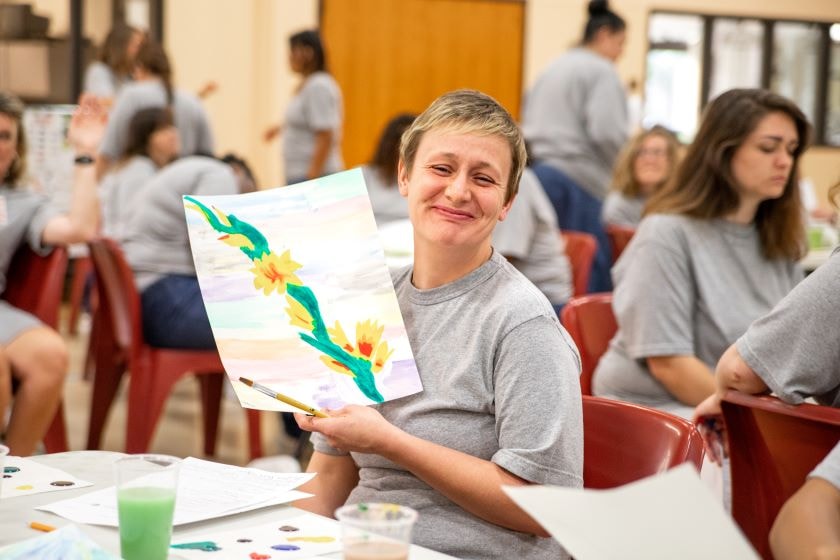
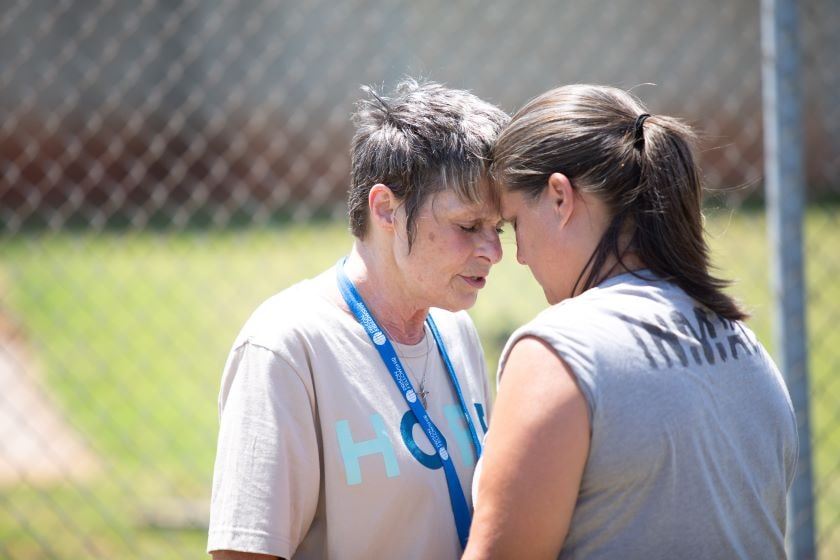
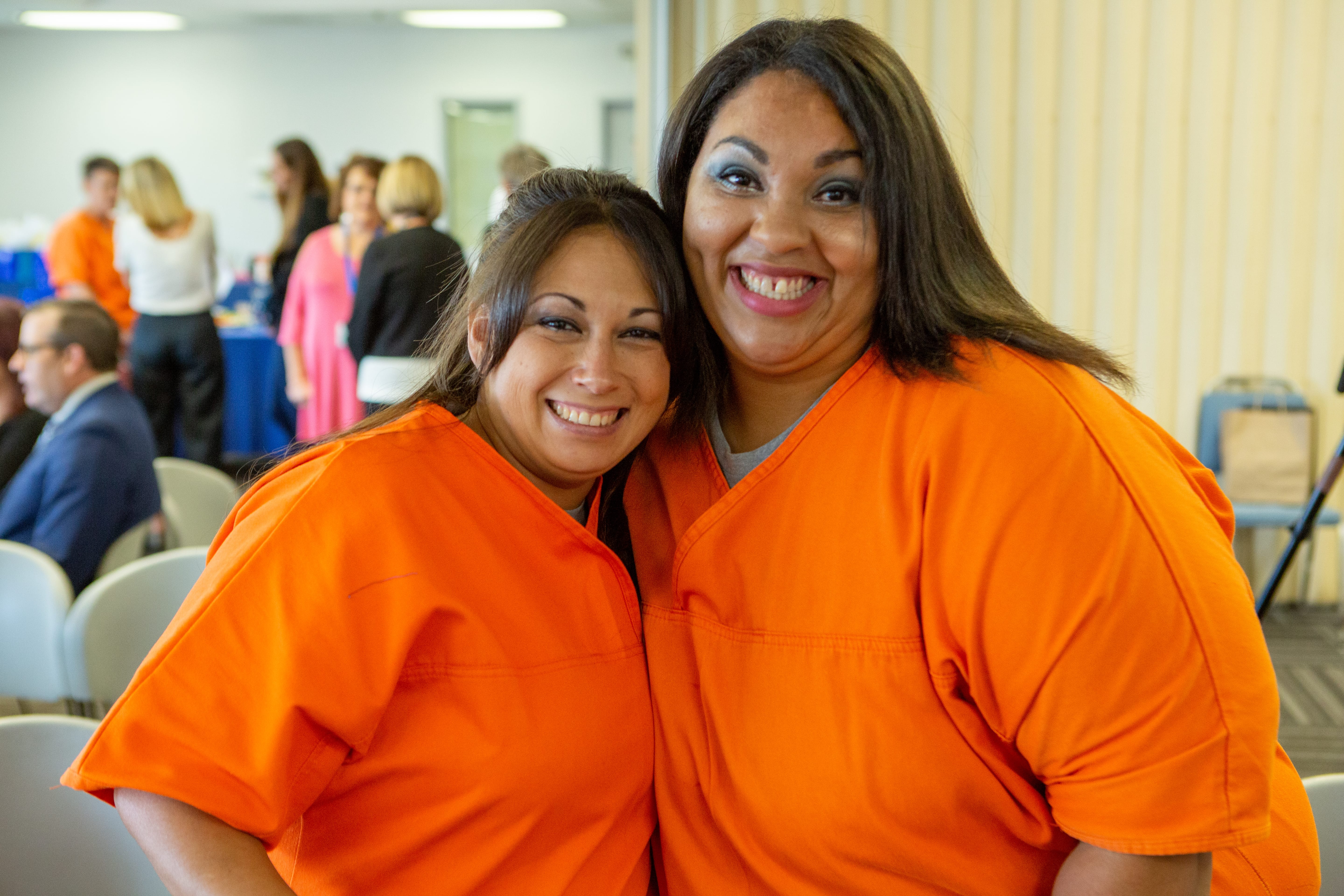
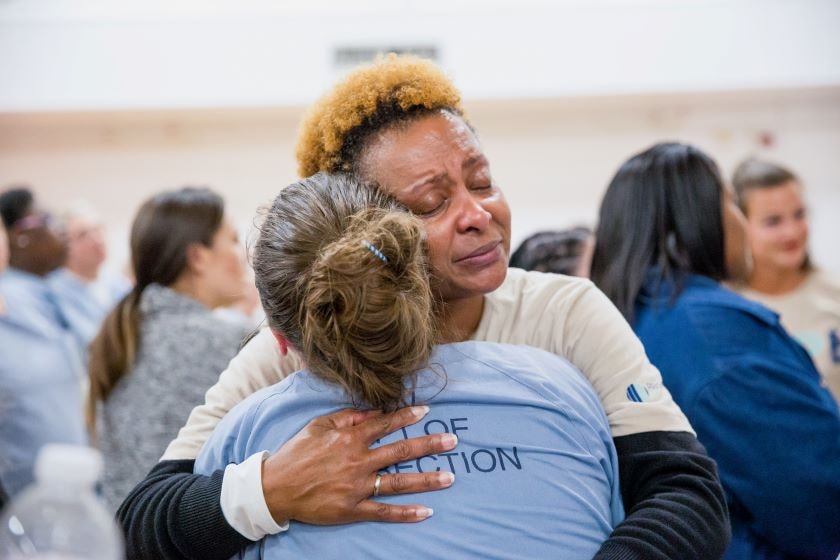
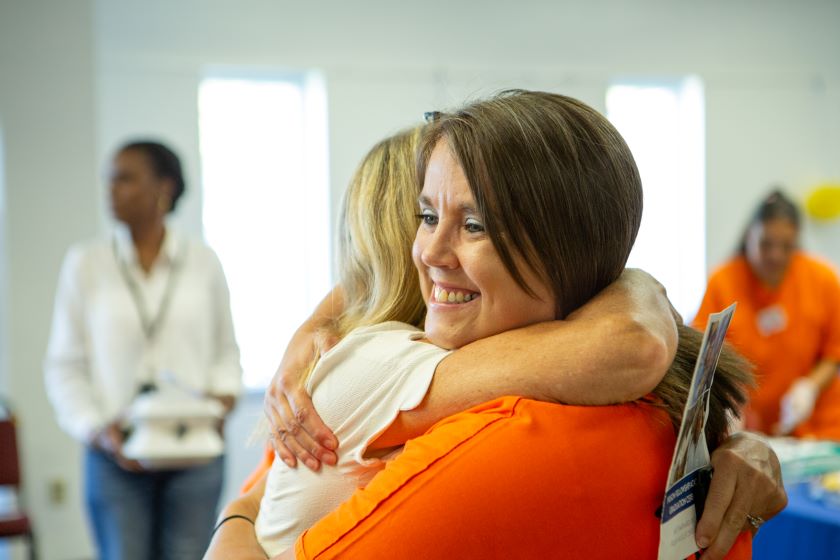
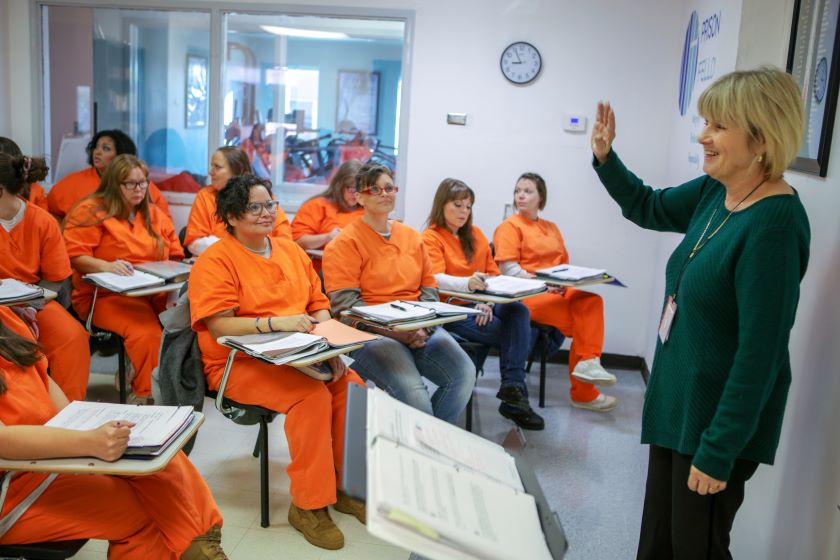
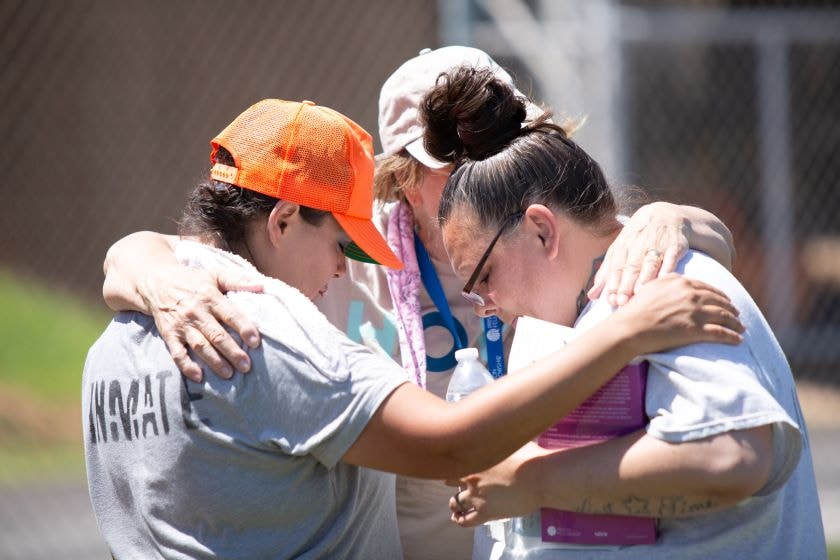
Women constitute the fastest growing segment of the United States’ prison population. Today, over one million women are under custody in the criminal justice system, representing 7% of inmates. Often these women are incarcerated for low-level, non-violent drug or property offenses and the majority have young children at the time of their conviction. Female prisoners’ unique physical, emotional, and psychological needs set them apart as a distinct prison population that warrants careful attention.
Unfortunately, the criminal justice system has been too slow to adapt to the increase in female inmates. The female prison population suffers from deficient OB/GYN care, and many experience harm from male custodial staff upon entering prison. Pregnant inmates - 6 to 10% of women in prison - are often shackled during labor and experience inadequate medical care during pregnancy. Two-thirds of incarcerated women are mothers to minor children. Threatened custody rights and a lack of prison nurseries distress these mothers and harm their children's development.
Justice Fellowship calls for attention to women's distinct needs.
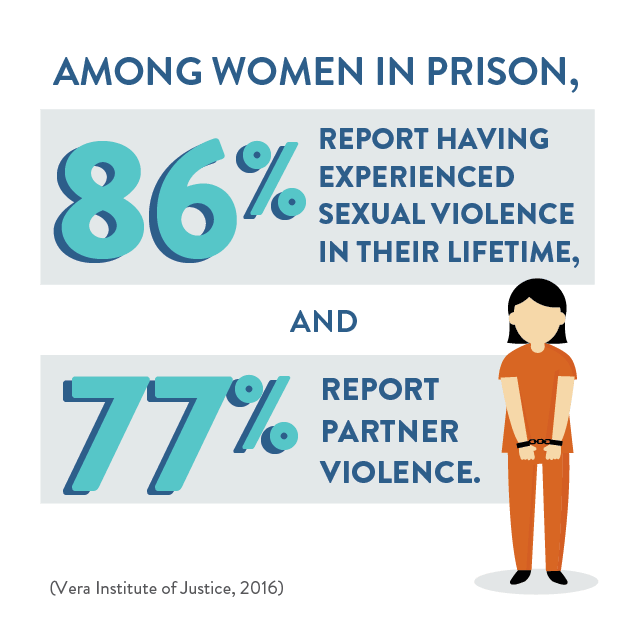
Justice Fellowship advocates for safe, sensible policies that recognize the distinct needs of incarcerated women and their families. Appropriate policy will eliminate shackling during labor; provide access to OB/GYN care; protect families by expanding visitation rights and incorporating prison nurseries; and restrict the roles of male staff in female prisons to limit abuse. Justice Fellowship also works for increased cooperation between correctional institutions and community-based providers of support and care, such as Doulas. Prison facilities should be designed to be sensitive to women's physical and psychological needs. Justice Fellowship further believes that effective treatment of women addresses mental health effects of battering and sexual violence in their past. To encourage protection of women in prison, Pat Nolan, Vice President of Prison Fellowship, serves on the Commission on Safety and Abuse in America's Prisons and on the National Prison Rape Elimination Commission. Reforming practices towards female offenders can bring needed healing and restoration to this vulnerable population.
Justice eReports
Strengthening the Families of the Incarcerated June 12, 2008, Vol. 7, No. 8
Stopping Prison Rape May 29, 2008, Vol. 7, No. 7
Women, Children, and Prison September 13, 2007, Vol. 6, No. 9
Report on Violence and Abuse in Prisons June 2006, Vol. 5, No. 5
Prison Rape Commissioners Appointed March 17, 2004, Vol. 3, No. 11
Prison Rape Victim Vindicated February 25, 2004, Vol. 3, No. 8
|